Website designed with the B12 website builder. Create your own website today.
Start for free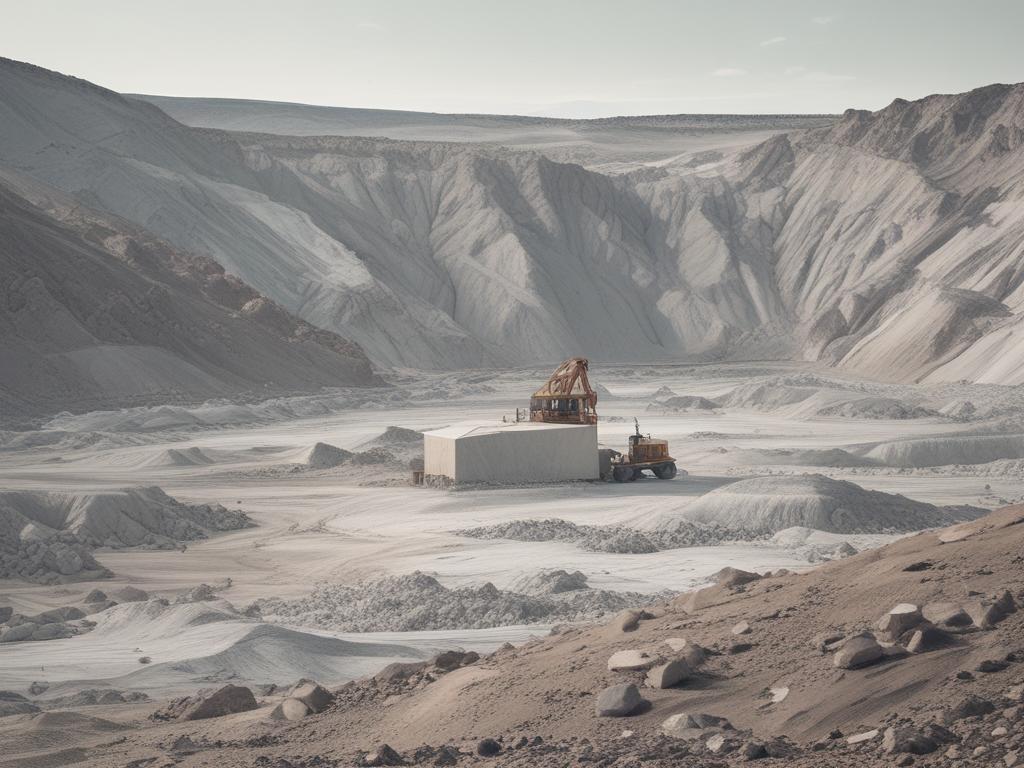
As the demand for electric vehicles (EVs) surges, lithium mining has become a focal point in the quest for sustainable energy solutions. However, beneath the surface of this green revolution lies a complex web of environmental and social challenges that often go unnoticed. To truly grasp the implications of lithium mining, it is essential to explore the environmental and social impacts of lithium extraction, shedding light on the disruption of ecosystems and the ramifications for local communities.
This blog post delves into the hidden costs associated with lithium mining, revealing the stark realities that accompany the extraction process. From the degradation of vital habitats to the struggles faced by indigenous populations, the effects extend far beyond the immediate economic benefits. As we navigate the road toward a more electrified future, it becomes crucial to balance progress with responsibility, advocating for sustainable practices that prioritize both the planet and the people who inhabit it. Join us as we investigate the pressing need for a conscientious approach to lithium mining in the age of electric vehicles.
Understanding the environmental consequences of lithium mining: A deep dive into ecosystem disruption
Lithium mining significantly disrupts ecosystems, leading to profound environmental consequences. In regions like South America's Lithium Triangle, expansive salt flats are transformed into industrial sites, threatening the delicate balance of wildlife and plant life. Mining activities often require large amounts of water, leading to depletion of local water sources, which can dry up rivers and affect flora and fauna dependent on these ecosystems. This not only damages biodiversity but also contributes to soil erosion and land degradation, which can take decades or even centuries to recover.
Moreover, the process of lithium extraction often results in the pollution of nearby water bodies. Chemicals used during extraction can leach into groundwater, endangering local aquatic life and potentially contaminating drinking water supplies. The waste produced from mining operations contains harmful substances that can further degrade the environment. As electric vehicles gain popularity worldwide, the demand for lithium increases, exacerbating these environmental challenges. It is essential to understand these impacts as we explore the environmental and social impacts of lithium mining for electric vehicles, highlighting the urgent need for more responsible approaches in the industry.
Uncovering the social implications: How lithium extraction affects local communities
Lithium mining significantly alters the fabric of local communities, particularly in developing regions where much of the world's lithium reserves lie. Families often face displacement as mining companies encroach upon their lands, effectively uprooting their homes and livelihoods. Local workers may initially find job opportunities in the mining sector, but these positions frequently come with poor working conditions, low wages, and little job security. Additionally, as mining operations expand, they can exacerbate existing social inequalities and tensions, leading to conflicts over resources and land usage.
Moreover, the influx of mining activities often leads to a strain on local infrastructure and essential services. Increased demand for water and energy can overwhelm local supplies, causing shortages that disproportionately impact residents. Health issues may arise from the contamination of water sources and air pollution linked to mining activities, further burdening communities already facing economic challenges. As these social ramifications unfold, it becomes clear that the consequences of lithium extraction extend far beyond the immediate economic benefits, highlighting the urgent need for a more nuanced understanding of its impacts on communities.
Balancing progress with responsibility: The urgent need for sustainable practices in lithium mining for electric vehicles
As the demand for lithium continues to surge due to the global shift towards electric vehicles, it becomes increasingly critical to prioritize sustainable mining practices. Companies must adopt innovative technologies that minimize environmental degradation and preserve biodiversity. By employing methods such as closed-loop water systems and efficient land use, the industry can significantly reduce its ecological footprint. Collaboration with environmental scientists and local communities will further enhance these efforts, fostering a more responsible approach to lithium extraction.
Additionally, governments and organizations play a pivotal role in setting stringent regulations and standards for lithium mining operations. Implementing certifications for sustainable practices can incentivize companies to adopt greener methods. Transparency in the supply chain also becomes essential, allowing consumers to make informed choices about the products they purchase. By prioritizing environmental stewardship alongside technological advancement, the lithium industry can lead the way in promoting a more sustainable future for electric vehicles while safeguarding our planet and its communities.